Why your sales feel stuck after 3 months (and what to do about it)
September 9, 2026 · Jott Myth · 5 min read
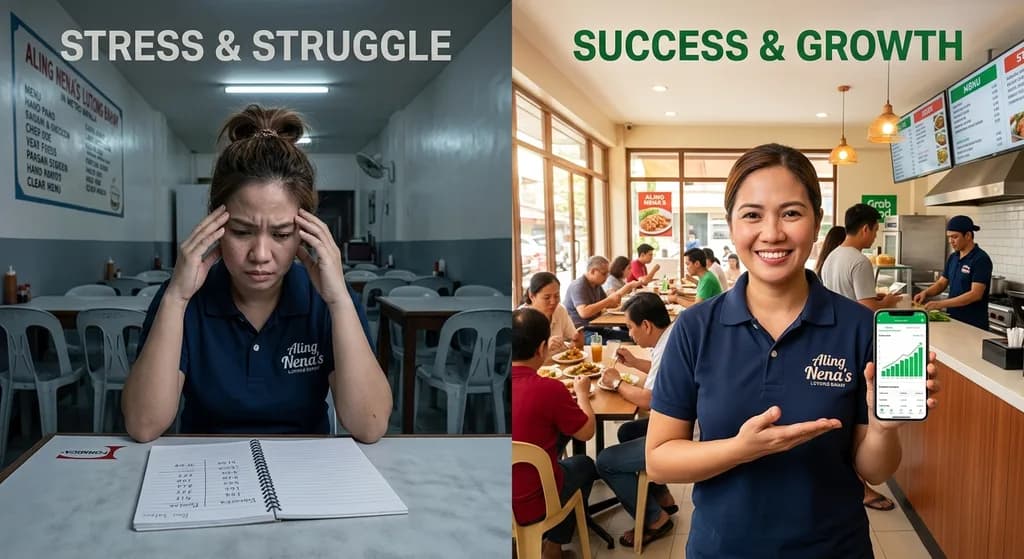
Three months into running a restaurant or a shop, something strange happens. The excitement fades. The new customers slow down. And your daily sales start looking the same week after week.
You are not doing anything wrong. This is the most common stage a small business goes through, and it has a boring cause: the opening rush was never growth. It was curiosity. Everyone within walking distance came once because you were new, and "new" only works on a person a single time. Once that runs out, whatever brings customers back is the only thing still bringing customers at all.
That is a different job from opening, and it needs a different plan.
First: know what is actually selling
Most owners set strategy from what they think is popular. Thinking and knowing are very different things, and the gap between them is usually two or three dishes wide — a bestseller nobody noticed, and a "signature" item that sells four a week and ties up stock.
If you cannot name your top three products right now with real numbers next to them, start there. Everything below depends on it. Your sales and profit report will tell you in about a minute, and it is worth doing before you change a single price or run a single promo.
Watch for the trap in that list, too: your top seller by revenue and your top seller by profit are often not the same item. Volume on a thin-margin dish can keep you busy all day and leave the drawer flat. If you have never worked out what a plate actually costs you, that arithmetic is here.
Give customers a reason to come back
A first-time customer is nice. A returning customer is the business.
A loyalty card or a simple "buy 5, get 1 free" costs almost nothing and changes how a customer thinks about you. They stop trying somewhere new because they are now working toward something with you — the next visit already has a reason attached to it before they leave.
Two things make it work rather than just cost you money:
- Reward the second visit, not the tenth. Most customers who never come back never come back after visit one. That is where the offer belongs.
- Track what you gave away. Set it up as a preset discount so it lands in your reports instead of quietly disappearing into the day's total.
If you take orders online or want a record of who buys from you and how often, the customer database turns "regulars" from a feeling into a list you can actually count.
Show up where your customers already are
Your next customers are in a Facebook group for your city or neighbourhood right now. Join as yourself, not as a logo. Say what you sell, post a photo of the food, answer the "saan po kayo?" comments. Ask your regulars to post about you — word of mouth still does most of the work, it just needs a push to start.
Post consistently rather than perfectly. If writing the caption is the part that stops you, KAISHA will draft post ideas from your actual sales data — so the thing you promote on a Friday is the thing that actually sells on Fridays.
Aim a promo at your dead hours, not your whole menu
Every business has slow periods. The instinct is to discount everything, which is the most expensive lever you own and almost always pulled at the wrong problem. Aim it narrowly instead.
Find your quiet stretch first — your peak hours and busy days are in your analytics, and they are rarely where owners guess. Then build an offer that only exists inside it: a 2pm–4pm merienda price, a set meal that is only available before 11am. You give up margin on hours that were producing nothing, and you do not train your regulars to wait for a discount they were happy to pay full price for.
Then check it a week later. A promo that moved volume without moving profit is a promo you paid for. If you want to see the profit impact of a price change before you commit to it, Price Lab models it against your real sales history.
Turn your best customers into your sales team
Your happy regulars know people exactly like them — same neighbourhood, same budget, same taste. A referral reward is the cheapest advertising available: a free side dish, a discount on the next order, something small and immediate.
You do not need a marketing budget for this. You need to ask, and most owners never do.
The real problem underneath all five
Every strategy above works better when you know your numbers, and stops working when you do not. Which products sell. Which hours are dead. Whether this week beat last week. Without those, you are not running a growth plan — you are running experiments and never reading the result.
That is the gap Kasenso fills. It records every sale as it happens, shows you your best sellers and your peak hours, and puts a clean summary in your hands at the end of every trading day — including a report emailed to you nightly if you would rather not open the app to check. No manual counting, no notebook, no guessing.
It is free for restaurants, food stalls and retail shops — the free plan is a real plan, not a trial that flips to a subscription. A Korean chicken stall runs its whole day on it, notebook retired.
One caveat worth reading
A plateau after three months is normal. A decline is a different problem, and these five strategies are the wrong tools for it — if your sales are actively falling rather than flattening, work through what to do when sales are slow first. It will tell you whether you are looking at fewer customers, smaller baskets, or a season that does this every year.
If your sales have simply gone flat, though, the first move is not a promo. It is seeing clearly what is already happening in your shop — and then picking one of the five above and doing it properly for a month.